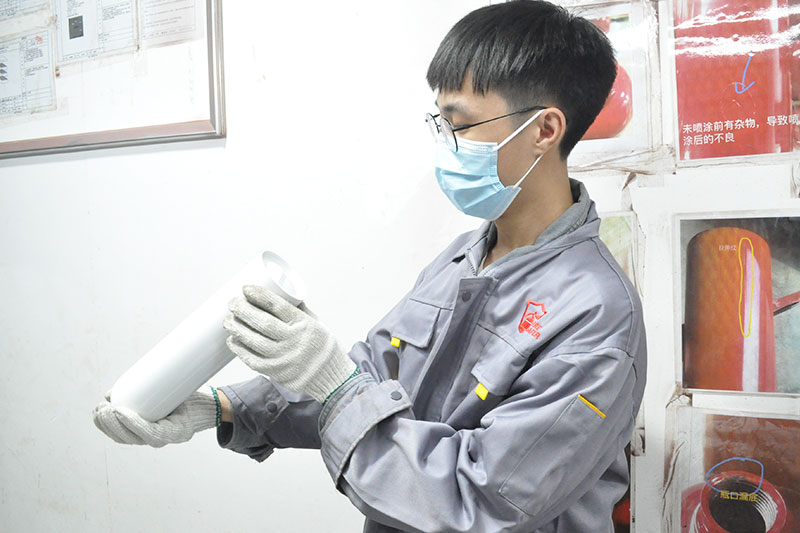
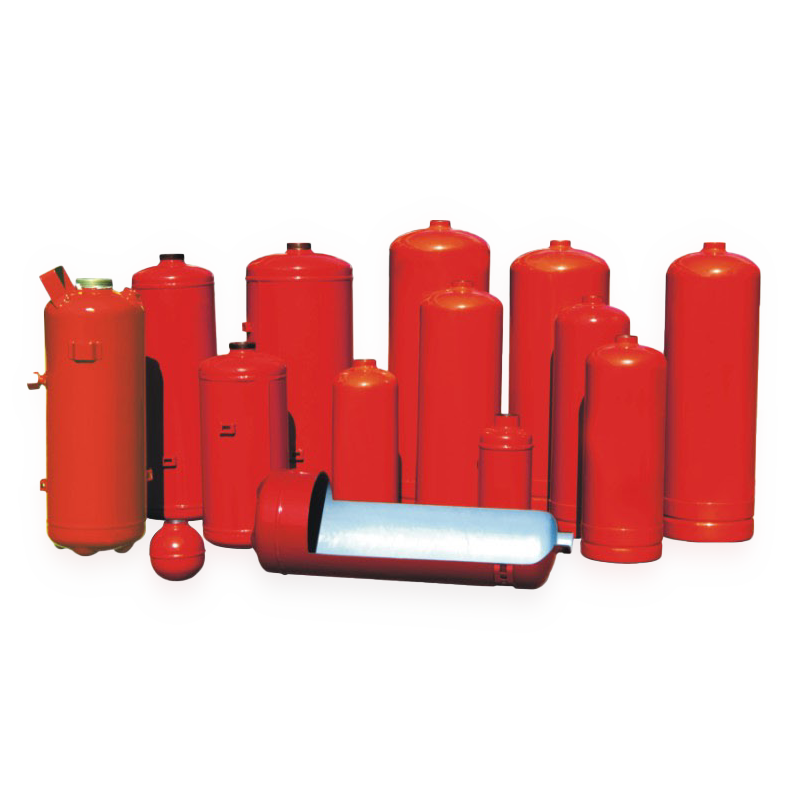
Firesafer는 다년간의 소화기 실린더 연구 개발 경험을 바탕으로 고객의 요구에 맞는 최고 품질의 모든 유형의 실린더를 생산할 수 있습니다.
국가마다 실린더의 모양과 사양에 대한 요구 사항이 다릅니다. Firesafer는 소화기 실린더 제조에 필요한 다양한 금형을 보유하고 있으며, 귀하의 주문을 신속하게 납품할 수 있습니다.
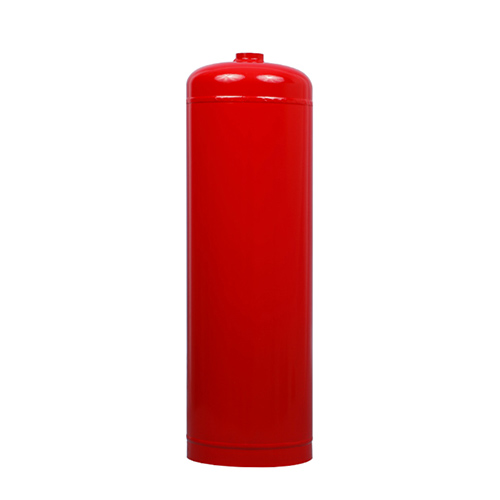
M 바닥
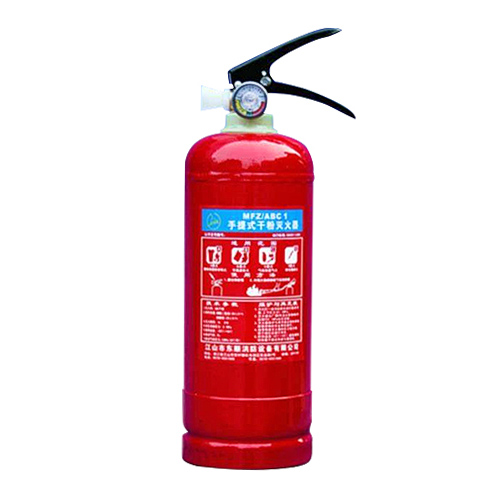
하단 링
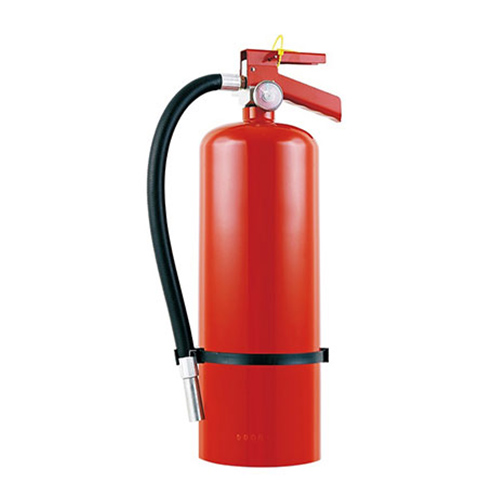
광동병
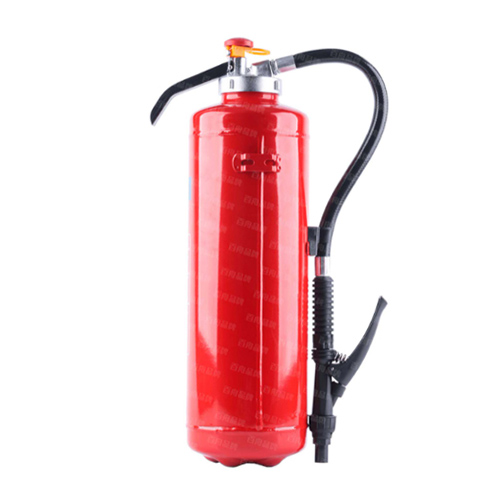
매화 바닥
폭발 없는 품질과 안전성을 보장하기 위해 각각 3.0mpa의 정수압 테스트를 거쳤습니다.
원료 조달부터 제품 성형까지 탄소강 소재를 사용하여 내식성이 우수하고 경량화
귀하가 유럽, 북미, 남미, 오세아니아 또는 동남아시아에 있든 당사는 귀하에게 필요한 인증을 보유하고 있습니다.
우리는 완제품 조달에 대한 귀하의 요구를 충족시키기 위해 밸브 조달 및 조립 서비스를 제공합니다.
당사의 제품은 건식 화학 물질 및 습식 화학 물질에 대한 운송 요구 사항을 통과했습니다.
표준 색상인 빨간색 외에도 녹색, 파란색 등 다른 색상도 맞춤 설정할 수 있습니다.
우리는 스탬핑 공정에서 높은 정밀도와 자동 생산을 달성하기 위해 업계에서 가장 효율적인 장비를 보유하고 있으며 하단 커버는 0.5mm 이하의 제어 간격으로 배럴과 일치합니다.
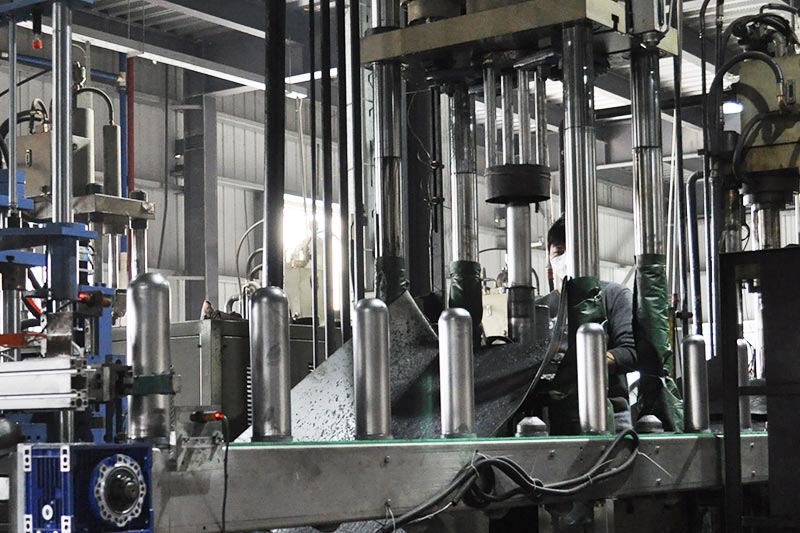
병 본체를 1분 동안 3.0mpa로 가압합니다. 100%는 누출, 파열 및 눈에 보이는 변형이 없음을 보장합니다.
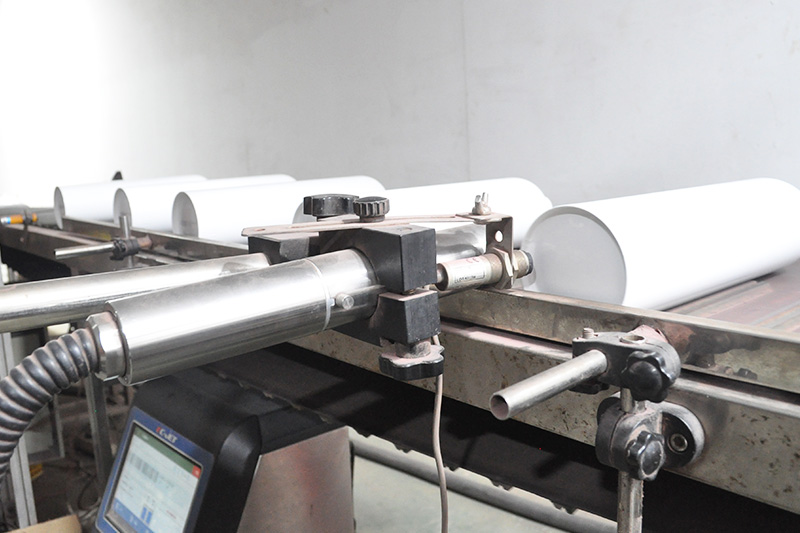
자동 코딩 기계를 사용하면 Firesafer가 생산하는 각 제품에 고유한 표시를 할 수 있어 제품의 원산지를 지속적으로 추적할 수 있습니다.
Fire extinguisher cylinders are commonly made from carbon steel, stainless steel, or aluminum alloy, depending on the extinguisher type, working pressure, corrosion-resistance requirements, and applicable standard.
Carbon steel is the most commonly used material for many portable dry powder, water, and foam fire extinguisher cylinders, especially welded cylinders. It offers a practical balance of strength, formability, weldability, and manufacturing cost.
Stainless steel is used for applications where improved corrosion resistance, durability, or appearance is required. It may be selected for extinguishers used in marine, food-processing, chemical, or other corrosive environments, although it is generally more expensive than carbon steel.
Aluminum alloy is typically chosen when lower weight and good corrosion resistance are important. It is also used for certain seamless or high-pressure cylinder designs.
The correct material and wall thickness should be selected according to the extinguishing agent, cylinder structure, working and test pressure, operating environment, and applicable manufacturing standard.
A welded fire extinguisher cylinder is typically composed of three main steel sections: the top cover, cylinder body, and bottom cover.
Unlike deep-drawn cylinders formed from a single steel blank, welded extinguisher cylinders are manufactured by separately forming these components and then joining them through a series of welding processes.
Depending on the required production capacity and level of automation, the cylinder body can be manufactured using either a semi-automatic sheet-forming process or a fully automated tube-forming process.
The top and bottom covers are produced from steel coil by stamping.
Depending on the required production capacity and material utilization, two typical production methods can be used:
Linear Stamping Line
The steel coil is decoiled and fed directly into a press, where the top and bottom cover blanks are progressively stamped and formed.
Deep-Throat Zigzag Stamping Line
A servo zigzag feeding system moves the steel strip laterally during stamping, allowing the material layout to be optimized and reducing steel waste.
After stamping and forming, the finished top and bottom covers are prepared for subsequent cylinder welding.
Before cylinder assembly and welding, the bottom cover can be marked with the required production information using a coding machine.
Depending on the manufacturer’s requirements, the marking may include information such as the production date, batch number, model, specification, or other traceability information.
The marking process is completed before welding so that the required identification is permanently formed on the bottom cover before it becomes part of the finished cylinder.
For semi-automatic production, steel sheets are first cut to the required dimensions according to the cylinder diameter and height.
Each sheet then passes through a rolling machine to form the cylindrical body.
After roll forming, the edges and ends of the cylinder body are trimmed to achieve the required dimensions and prepare the body for welding.
The longitudinal joint is then welded to permanently close the rolled steel sheet and form the cylinder shell.
The top cover and bottom cover are subsequently positioned and welded to the cylinder body, typically with operator-assisted or semi-automatic welding equipment.
The typical process is:
Sheet Cutting → Roll Forming → Body Trimming → Longitudinal Seam Welding → Top & Bottom Cover Welding
For higher production capacities, the cylinder body can be manufactured using an automatic tube-making line.
Steel coil is continuously decoiled, formed and longitudinally welded into a tube with the specified diameter.
The formed tube then enters an automatic cutting, trimming and necking machine, where it is cut to the required cylinder length. The upper and lower ends of the cylinder body are automatically trimmed and formed according to the required welding dimensions.
The prepared cylinder body is then transferred to the subsequent welding process.
The typical automatic process is:
Steel Coil → Tube Forming → Longitudinal Seam Welding → Cutting to Length → End Trimming / Necking
This automated method significantly reduces manual handling and provides more consistent cylinder dimensions for continuous production.
Once the top cover, cylinder body and bottom cover have been prepared, the three sections are assembled to form the complete fire extinguisher cylinder.
The top and bottom covers are accurately positioned on the cylinder body and welded around their circumference.
Depending on the production configuration, this process can be carried out using manual welding stations, semi-automatic equipment or a fully automatic multi-station cylinder welding line.
Together with the longitudinal seam, these circumferential welds form the main welded structure of the finished cylinder.
Once the top cover, cylinder body and bottom cover have been prepared, the three sections are assembled to form the complete fire extinguisher cylinder.
The top and bottom covers are accurately positioned on the cylinder body and welded around their circumference.
Depending on the production configuration, this process can be carried out using manual welding stations, semi-automatic equipment or a fully automatic multi-station cylinder welding line.
Together with the longitudinal seam, these circumferential welds form the main welded structure of the finished cylinder.
After the fire extinguisher cylinder is tested for air tightness, the surface is polished and cleaned to remove surface defects, weld marks and oxide residues, thereby improving the surface quality before the coating process.
Powder coating is then evenly applied to the external surface and cured at the specified temperature to form a durable protective finish.
For certain water- or foam-based extinguisher designs, an internal corrosion-resistant coating may also be applied according to the product specification.
At this stage, the production of the empty welded fire extinguisher cylinder is essentially complete.
The main difference between welded and deep-drawn fire extinguisher cylinders is how the cylinder shell is formed and assembled.
A welded fire extinguisher cylinder is typically manufactured from separately formed steel components. In a common three-piece construction, the cylinder consists of a top cover, rolled cylindrical body and bottom cover. The cylinder body has a longitudinal welded seam, while the top and bottom covers are subsequently welded to the body.
A deep-drawn cylinder is manufactured by drawing a steel blank into shape using one or more press-forming operations. Depending on the cylinder design, this reduces the number of welded joints required to form the pressure-bearing shell.
The two constructions also require different production equipment:
Welded cylinder:
Steel forming → Roll / tube forming → Longitudinal welding → Assembly welding
Deep-drawn cylinder:
Blanking → Deep drawing → Additional forming / trimming → Subsequent assembly processes
Neither construction should be judged simply as “better.” The appropriate design depends on the required pressure, cylinder specification, production volume, manufacturing standard and target market.
The pressure a fire extinguisher cylinder can withstand depends on its cylinder design, material, wall thickness, extinguisher type and applicable manufacturing standard. There is no single pressure rating that applies to every fire extinguisher cylinder.
Low-pressure stored-pressure extinguishers and high-pressure CO₂ cylinders, for example, operate under very different pressure conditions.
For this reason, three values should not be confused:
The required working and test pressures should always be confirmed against the specific cylinder model and applicable standard.
An empty fire extinguisher cylinder contains no extinguishing agent or pressurizing gas before the extinguisher is filled and assembled.
It is essentially the pressure-bearing container of the extinguisher. Depending on the supply configuration, an empty cylinder may be supplied as a bare cylinder or together with components such as the valve, siphon tube, pressure gauge, hose or other accessories.
After assembly, the contents depend on the extinguisher type. A finished extinguisher may contain dry chemical powder, water, foam solution, CO₂ or another approved extinguishing agent.
For stored-pressure dry powder, water and foam extinguishers, a separate pressurizing gas may also be introduced during final production.
Yes. The diameter and height of an empty fire extinguisher cylinder can be customized within the limits of the cylinder design, manufacturing process and applicable pressure requirements.
Cylinder dimensions are normally determined according to the required:
extinguishing-agent capacity, internal volume, wall thickness, working pressure, valve connection and overall extinguisher design.
For welded cylinders, customization may also require adjustments to the top and bottom cover tooling, cylinder-body forming diameter, cutting length and welding fixtures.
If a new cylinder size is required, the customer should therefore provide either an existing cylinder drawing or the required capacity and major dimensions so that manufacturability can be evaluated before production.
Yes. Empty fire extinguisher cylinders can generally be supplied with customized coating colors and customer branding, subject to the applicable product standard and local marking requirements.
Powder coating is commonly used for the external cylinder finish. While red is widely associated with portable fire extinguishers, other colors may be available for specific products, applications or markets.
Customer branding can be applied using methods such as silk-screen printing, labeling or other suitable marking processes, depending on the cylinder specification and order requirements.
However, customized branding should not replace mandatory cylinder markings, safety information or certification-related identification required by the destination market.
To manufacture or quote a custom fire extinguisher cylinder accurately, the supplier first needs to understand the extinguisher design, pressure requirements and destination-market standard.
For a custom cylinder inquiry, it is helpful to provide:
If an existing cylinder is being reproduced, providing a technical drawing or physical sample specification can significantly reduce dimensional uncertainty.
양식을 작성하면 다음이 있습니다. 소방 장비 전문가 당신에게 연락할 것입니다 24시간 이내.
첫 번째 목표는 고객님의 요구 사항을 파악한 다음, 함께 사업 계획을 개발하고 고객님에게 가장 적합한 가격을 제공하는 것입니다!
+86 15521103013
1시간 이내에 연락드리겠습니다. 접미사가 붙은 이메일에 주목해 주세요. “@firesafer.com”.