
Xi lanh nguồn được chứng nhận cho các công ty hoặc nhà máy chữa cháy
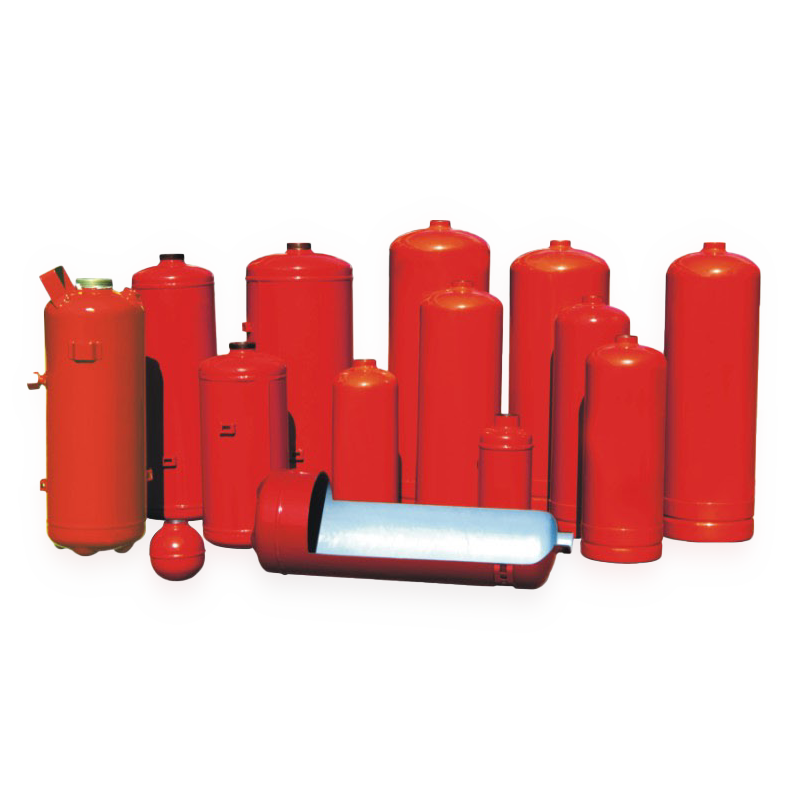
Với nhiều năm kinh nghiệm trong việc nghiên cứu và phát triển bình chữa cháy, Firesafer có thể sản xuất tất cả các loại bình chữa cháy chất lượng hàng đầu đáp ứng nhu cầu của khách hàng.
Các quốc gia khác nhau có yêu cầu khác nhau về hình dạng và thông số kỹ thuật của xi lanh. Firesafer có nhiều loại khuôn để sản xuất bình chữa cháy và có thể nhanh chóng giao hàng nhanh chóng theo đơn đặt hàng của bạn.
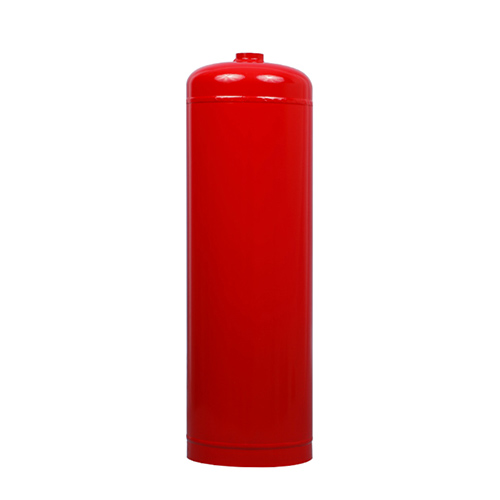
đáy M
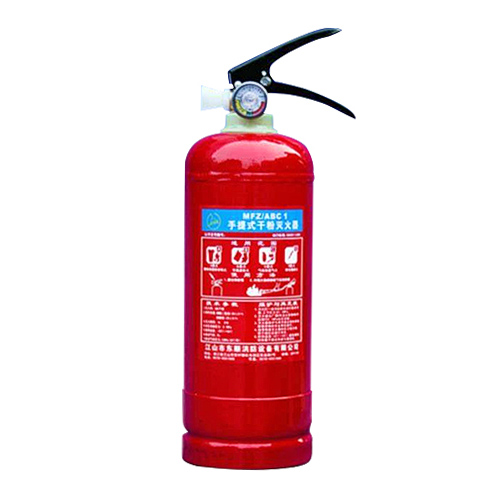
Vòng dưới
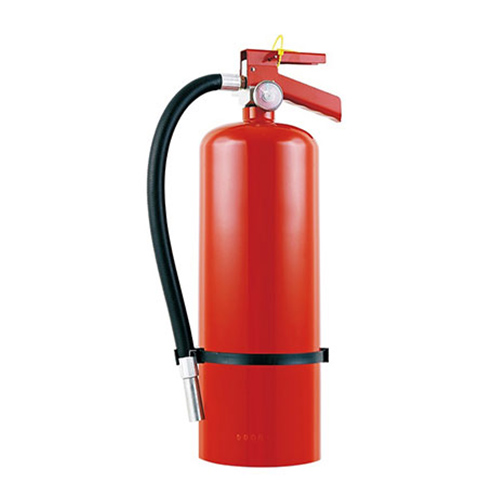
Chai Quảng Đông
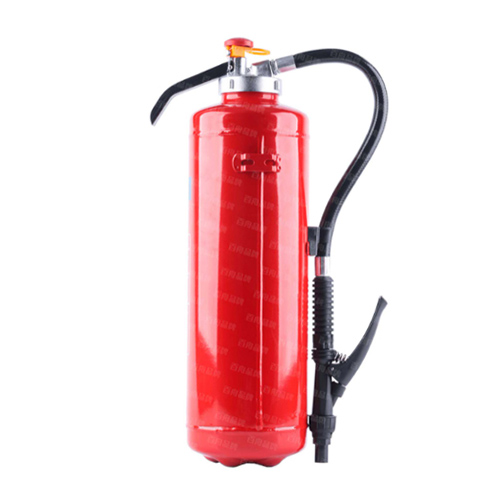
Đáy hoa mận
Mỗi chiếc được thử nghiệm bằng thủy tĩnh 3,0 mpa để đảm bảo chất lượng và an toàn mà không bị nổ
Khả năng chống ăn mòn cao và trọng lượng nhẹ hơn do sử dụng vật liệu thép carbon từ khâu thu mua nguyên liệu thô đến đúc sản phẩm
Cho dù bạn ở Châu Âu, Bắc Mỹ, Nam Mỹ, Châu Đại Dương hay Đông Nam Á, chúng tôi đều có những chứng chỉ mà bạn cần
Chúng tôi cung cấp dịch vụ mua sắm và lắp ráp van để đáp ứng nhu cầu mua sắm thành phẩm của bạn
Sản phẩm của chúng tôi đáp ứng các yêu cầu vận chuyển đối với hóa chất khô và hóa chất ướt
Ngoài màu đỏ tiêu chuẩn, bạn còn có thể tùy chỉnh các màu khác như xanh lá cây, xanh dương,…
Chúng tôi có thiết bị hiệu quả nhất trong ngành để đạt được độ chính xác cao và sản xuất tự động trong quá trình dập, đồng thời nắp đáy khớp với thùng có khe hở điều khiển ≤0,5mm.
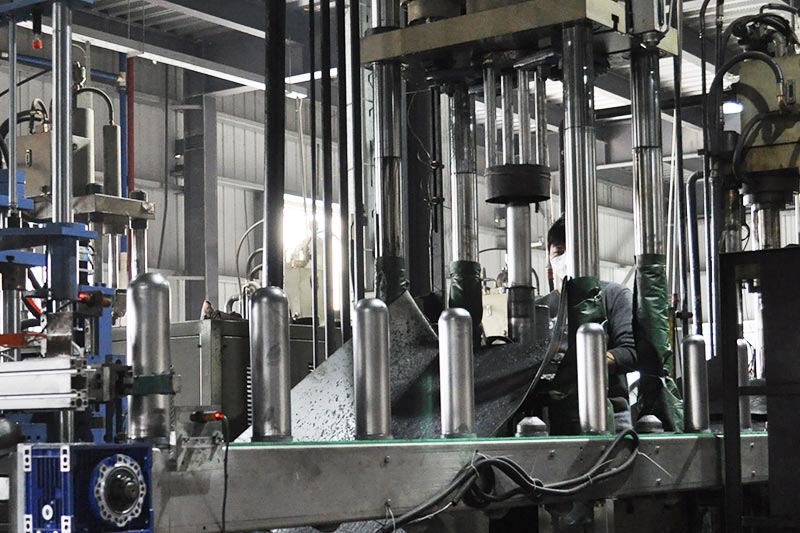
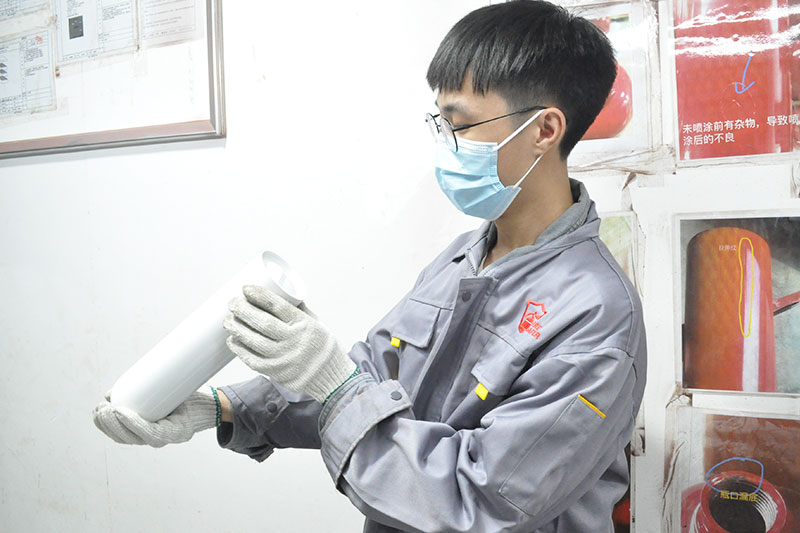
Tạo áp suất cho thân chai lên 3,0 mpa trong 1 phút, 100% đảm bảo không rò rỉ, vỡ và biến dạng rõ ràng
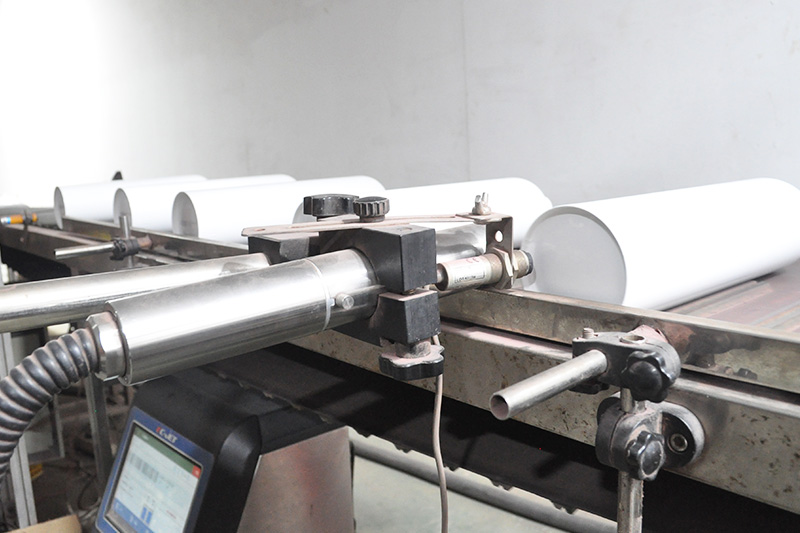
Máy mã hóa tự động cho phép mỗi sản phẩm do firesafer sản xuất được đánh dấu duy nhất để có thể theo dõi liên tục nguồn gốc của sản phẩm.
Bình chữa cháy thường được làm từ thép carbon, thép không gỉ hoặc hợp kim nhôm, tùy thuộc vào loại bình chữa cháy, áp suất làm việc, yêu cầu về khả năng chống ăn mòn và tiêu chuẩn áp dụng.
Thép cacbon Đây là vật liệu được sử dụng phổ biến nhất cho nhiều loại bình chữa cháy bột khô, nước và bọt di động, đặc biệt là các bình hàn. Nó mang lại sự cân bằng hợp lý giữa độ bền, khả năng tạo hình, khả năng hàn và chi phí sản xuất.
Thép không gỉ Nó được sử dụng cho các ứng dụng yêu cầu khả năng chống ăn mòn, độ bền hoặc vẻ ngoài được cải thiện. Nó có thể được lựa chọn cho các bình chữa cháy được sử dụng trong môi trường hàng hải, chế biến thực phẩm, hóa chất hoặc các môi trường ăn mòn khác, mặc dù nhìn chung nó đắt hơn thép carbon.
Hợp kim nhôm Vật liệu này thường được lựa chọn khi trọng lượng nhẹ và khả năng chống ăn mòn tốt là yếu tố quan trọng. Nó cũng được sử dụng cho một số thiết kế xi lanh liền mạch hoặc chịu áp suất cao.
Cần lựa chọn vật liệu và độ dày thành phù hợp theo các tiêu chí sau: Chất chữa cháy, cấu trúc bình chứa, áp suất làm việc và thử nghiệm, môi trường vận hành và tiêu chuẩn sản xuất áp dụng..
Bình chữa cháy dạng hàn thường bao gồm ba phần thép chính: nắp trên, thân xi lanh và nắp dưới.
Khác với các bình chữa cháy được tạo hình bằng phương pháp dập sâu từ một phôi thép duy nhất, các bình chữa cháy hàn được sản xuất bằng cách tạo hình riêng biệt các bộ phận này rồi nối chúng lại với nhau thông qua một loạt các quy trình hàn.
Tùy thuộc vào năng lực sản xuất và mức độ tự động hóa yêu cầu, thân xi lanh có thể được sản xuất bằng một trong hai phương pháp sau: quy trình tạo hình tấm bán tự động hoặc một quy trình tạo ống hoàn toàn tự động.
Nắp trên và nắp dưới được sản xuất từ thép cuộn bằng phương pháp dập.
Tùy thuộc vào năng lực sản xuất và mức độ sử dụng nguyên vật liệu cần thiết, có thể sử dụng hai phương pháp sản xuất điển hình:
Dây chuyền dập tuyến tính
Cuộn thép được tháo rời và đưa trực tiếp vào máy ép, nơi các phôi nắp trên và nắp dưới được dập và tạo hình dần dần.
Đường dập zigzag sâu cổ họng
Hệ thống cấp phôi zigzag servo di chuyển dải thép theo chiều ngang trong quá trình dập, cho phép tối ưu hóa bố trí vật liệu và giảm thiểu lượng thép thải.
Sau khi dập và tạo hình, các nắp trên và dưới hoàn thiện sẽ được chuẩn bị cho quá trình hàn xi lanh tiếp theo.
Trước khi lắp ráp và hàn xi lanh, nắp đáy có thể được đánh dấu các thông tin sản xuất cần thiết bằng cách sử dụng máy khắc. máy mã hóa.
Tùy thuộc vào yêu cầu của nhà sản xuất, nhãn mác có thể bao gồm các thông tin như... ngày sản xuất, số lô, kiểu máy, thông số kỹ thuật hoặc thông tin truy xuất nguồn gốc khác..
Quá trình đánh dấu được hoàn tất trước khi hàn để dấu hiệu nhận dạng cần thiết được hình thành vĩnh viễn trên nắp đáy trước khi nó trở thành một phần của xi lanh hoàn chỉnh.
Đối với sản xuất bán tự động, các tấm thép trước tiên được cắt theo kích thước yêu cầu dựa trên đường kính và chiều cao của xi lanh.
Mỗi tấm kim loại sau đó được đưa qua máy cán để tạo thành thân hình trụ.
Sau khi cán định hình, các cạnh và đầu của thân xi lanh được cắt gọt để đạt được kích thước yêu cầu và chuẩn bị cho quá trình hàn.
Sau đó, mối nối dọc được hàn để đóng kín vĩnh viễn tấm thép cán và tạo thành vỏ hình trụ.
Sau đó, nắp trên và nắp dưới được định vị và hàn vào thân xi lanh, thường bằng thiết bị hàn có sự hỗ trợ của người vận hành hoặc bán tự động.
Quy trình điển hình là:
Cắt tấm → Cán định hình → Cắt tỉa thân xe → Hàn đường nối dọc → Hàn nắp trên và dưới
Để đạt công suất sản xuất cao hơn, thân xi lanh có thể được sản xuất bằng dây chuyền làm ống tự động.
Thép cuộn được liên tục tháo cuộn, tạo hình và hàn dọc thành ống có đường kính xác định.
Ống được tạo hình sau đó đi vào... máy cắt, tỉa và đóng cổ tự động, Tại đây, nó được cắt theo chiều dài hình trụ yêu cầu. Các đầu trên và dưới của thân hình trụ được tự động cắt tỉa và tạo hình theo kích thước hàn yêu cầu.
Sau khi chuẩn bị xong thân xi lanh, nó sẽ được chuyển đến quy trình hàn tiếp theo.
Quy trình tự động điển hình là:
Cuộn thép → Tạo hình ống → Hàn đường nối dọc → Cắt theo chiều dài → Cắt bỏ phần đầu/Thu hẹp cổ ống
Phương pháp tự động này giúp giảm đáng kể thao tác thủ công và cung cấp kích thước xi lanh đồng nhất hơn cho sản xuất liên tục.
Sau khi đã chuẩn bị xong nắp trên, thân xi lanh và nắp dưới, ba phần này được lắp ráp lại với nhau để tạo thành xi lanh bình chữa cháy hoàn chỉnh.
Các nắp trên và dưới được định vị chính xác trên thân xi lanh và được hàn xung quanh chu vi của chúng.
Tùy thuộc vào cấu hình sản xuất, quy trình này có thể được thực hiện bằng các trạm hàn thủ công, thiết bị bán tự động hoặc dây chuyền hàn xi lanh đa trạm hoàn toàn tự động.
Cùng với đường hàn dọc, các mối hàn chu vi này tạo thành cấu trúc hàn chính của xi lanh hoàn chỉnh.
Sau khi đã chuẩn bị xong nắp trên, thân xi lanh và nắp dưới, ba phần này được lắp ráp lại với nhau để tạo thành xi lanh bình chữa cháy hoàn chỉnh.
Các nắp trên và dưới được định vị chính xác trên thân xi lanh và được hàn xung quanh chu vi của chúng.
Tùy thuộc vào cấu hình sản xuất, quy trình này có thể được thực hiện bằng các trạm hàn thủ công, thiết bị bán tự động hoặc dây chuyền hàn xi lanh đa trạm hoàn toàn tự động.
Cùng với đường hàn dọc, các mối hàn chu vi này tạo thành cấu trúc hàn chính của xi lanh hoàn chỉnh.
Sau khi kiểm tra độ kín khí của bình chữa cháy, bề mặt được đánh bóng và làm sạch để loại bỏ các khuyết tật bề mặt, vết hàn và cặn oxit, nhờ đó cải thiện chất lượng bề mặt trước quá trình phủ lớp.
Sau đó, lớp sơn tĩnh điện được phủ đều lên bề mặt bên ngoài và được làm khô ở nhiệt độ quy định để tạo thành lớp phủ bảo vệ bền chắc.
Đối với một số thiết kế bình chữa cháy gốc nước hoặc gốc bọt, lớp phủ chống ăn mòn bên trong cũng có thể được áp dụng theo thông số kỹ thuật của sản phẩm.
Đến giai đoạn này, việc sản xuất vỏ bình chữa cháy hàn rỗng về cơ bản đã hoàn tất.
Sự khác biệt chính giữa bình chữa cháy hàn và bình chữa cháy dập sâu nằm ở cách vỏ bình được tạo hình và lắp ráp.
A Bình chữa cháy hàn Thông thường, nó được chế tạo từ các bộ phận thép được định hình riêng biệt. Trong cấu tạo ba mảnh phổ biến, xi lanh bao gồm một nắp trên, thân hình trụ cuộn và nắp dưới. Thân xi lanh có đường hàn dọc, trong khi các nắp trên và dưới được hàn vào thân xi lanh sau đó.
A xi lanh kéo sâu Nó được sản xuất bằng cách kéo phôi thép thành hình dạng mong muốn bằng một hoặc nhiều thao tác ép định hình. Tùy thuộc vào thiết kế xi lanh, điều này giúp giảm số lượng mối hàn cần thiết để tạo thành vỏ chịu áp lực.
Hai phương pháp xây dựng này cũng đòi hỏi thiết bị sản xuất khác nhau:
Xi lanh hàn:
Gia công thép → Cán/tạo hình ống → Hàn dọc → Hàn lắp ráp
Xi lanh kéo sâu:
Cắt phôi → Dập sâu → Gia công/cắt gọt bổ sung → Các quy trình lắp ráp tiếp theo
Không nên đánh giá một cách đơn giản rằng công trình nào "tốt hơn". Thiết kế phù hợp phụ thuộc vào... áp suất yêu cầu, thông số kỹ thuật xi lanh, khối lượng sản xuất, tiêu chuẩn sản xuất và thị trường mục tiêu.
Áp suất mà bình chữa cháy có thể chịu được phụ thuộc vào thiết kế bình, vật liệu, độ dày thành bình, loại bình chữa cháy và tiêu chuẩn sản xuất áp dụng. Không có một mức áp suất duy nhất áp dụng cho mọi bình chữa cháy.
Ví dụ, bình chữa cháy áp suất thấp và bình khí CO₂ áp suất cao hoạt động trong điều kiện áp suất rất khác nhau.
Vì lý do này, không nên nhầm lẫn ba giá trị sau:
Áp suất làm việc và áp suất thử nghiệm yêu cầu luôn phải được xác nhận dựa trên kiểu xi lanh cụ thể và tiêu chuẩn áp dụng.
Bình chữa cháy rỗng không chứa chất chữa cháy hoặc khí nén trước khi được nạp đầy và lắp ráp.
Về cơ bản, đó là bình chứa chịu áp suất của bình chữa cháy. Tùy thuộc vào cấu hình cung cấp, một bình rỗng có thể được cung cấp như một... xi lanh trần hoặc cùng với các bộ phận như van, ống siphon, đồng hồ đo áp suất, ống mềm hoặc các phụ kiện khác.
Sau khi lắp ráp, các thành phần bên trong phụ thuộc vào loại bình chữa cháy. Một bình chữa cháy hoàn chỉnh có thể chứa... Bột hóa chất khô, nước, dung dịch tạo bọt, CO₂ hoặc chất chữa cháy được phê duyệt khác..
Đối với các bình chữa cháy bột khô, nước và bọt sử dụng áp suất nén, một loại khí nén riêng biệt cũng có thể được đưa vào trong quá trình sản xuất cuối cùng.
Có. Đường kính và chiều cao của bình chữa cháy rỗng có thể được tùy chỉnh trong giới hạn của thiết kế bình, quy trình sản xuất và yêu cầu áp suất áp dụng.
Kích thước xi lanh thường được xác định theo yêu cầu:
Dung tích chất chữa cháy, thể tích bên trong, độ dày thành, áp suất làm việc, kiểu kết nối van và thiết kế tổng thể của bình chữa cháy.
Đối với các xi lanh hàn, việc tùy chỉnh cũng có thể yêu cầu điều chỉnh các thông số kỹ thuật. Dụng cụ tạo nắp trên và nắp dưới, đường kính tạo hình thân xi lanh, chiều dài cắt và đồ gá hàn.
Nếu cần kích thước xi lanh mới, khách hàng nên cung cấp bản vẽ xi lanh hiện có hoặc dung tích và kích thước chính cần thiết để có thể đánh giá khả năng sản xuất trước khi tiến hành sản xuất.
Có. Các bình chữa cháy rỗng thường có thể được cung cấp với màu sơn phủ và thương hiệu riêng của khách hàng, tùy thuộc vào tiêu chuẩn sản phẩm hiện hành và các yêu cầu ghi nhãn địa phương.
Sơn tĩnh điện thường được sử dụng cho lớp hoàn thiện bên ngoài của bình chữa cháy. Mặc dù màu đỏ thường được liên tưởng đến bình chữa cháy xách tay, nhưng các màu khác cũng có thể được cung cấp cho các sản phẩm, ứng dụng hoặc thị trường cụ thể.
Việc xây dựng thương hiệu khách hàng có thể được thực hiện bằng các phương pháp như sau: in lụa, dán nhãn hoặc các quy trình đánh dấu phù hợp khác, Tùy thuộc vào thông số kỹ thuật của xi lanh và yêu cầu đặt hàng.
Tuy nhiên, việc tùy chỉnh thương hiệu không được thay thế các ký hiệu bắt buộc trên bình khí, thông tin an toàn hoặc thông tin nhận dạng liên quan đến chứng nhận theo yêu cầu của thị trường đích đến.
Để sản xuất hoặc báo giá chính xác một bình chữa cháy đặt làm theo yêu cầu, nhà cung cấp trước tiên cần hiểu rõ thiết kế bình chữa cháy, yêu cầu về áp suất và tiêu chuẩn của thị trường đích đến.
Để được tư vấn về xi lanh đặt làm theo yêu cầu, vui lòng cung cấp các thông tin sau:
Nếu đang sao chép một xi lanh hiện có, việc cung cấp một bản vẽ kỹ thuật hoặc mẫu vật lý theo thông số kỹ thuật có thể giảm đáng kể sự không chắc chắn về kích thước.
Sau khi bạn điền vào biểu mẫu, một chuyên gia thiết bị chữa cháy sẽ liên hệ với bạn trong vòng 24 giờ.
Mục tiêu đầu tiên sẽ là tìm hiểu nhu cầu của bạn, sau đó cùng nhau xây dựng kế hoạch kinh doanh và cung cấp cho bạn mức giá tốt nhất dành cho bạn!
+86 15521103013
Chúng tôi sẽ liên hệ với bạn trong vòng 1 giờ, vui lòng chú ý email có hậu tố “@firesafer.com”.